 by
Preparing for a job interview can help you to get the job. The interview allows the employer to learn more about you, beyond what is on your CV. They can assess your communication skills, relevant experience, professionalism and suitability for the role.
Many people get nervous when applying for a job. However, preparing for your interview can allow you to feel more confident and know how to present your skills.
Understanding how an interview works can help you prepare for any job you are applying for, whether it is for a government role, private company, internship or entry level role.
This guide will show you how to prepare for a job interview, answer common questions, be professional and follow up.
Understand the Role
The first thing to do when preparing for a job interview is to read the job description carefully.
Usually the job description will explain what the role entails, what skills/qualifications/experience is required.
Look at the main points and see what skills you have that match. Think of some examples that you can use.
If communication skills are required for the role then you could mention how you have presented something at University, customer service experience, volunteering or working within a group.
If the role involves using computer software then think about what you can say about the tools you have used and what you can do.
Knowing what the role entails will help you answer questions and ensure you stay on topic.
Research the Employer
Before your interview take the time to look into the company. Look at their official website, services, products, mission statement and what they do generally.
You should understand what the company does and why you are interested in the role.
By knowing more about the company you can answer questions about why you are interested in the role.
If you are applying for a Government role then look at the departments official information to understand what the role generally entails.
Don’t rely on any rumours or unverified information. When talking about the company in the interview ensure you are providing correct information from reliable sources.
Answer Common Questions
Many employers will ask you questions about your background, skills, motivation and career aspirations.
A common question you may be asked is ‘Tell me about yourself’. You should be concise and mention your education, relevant experience, key skills and why you are interested in the role.
Another common question is ‘Why do you want this job?’. Explain how the role fits with your interests and skills. Mention any relevant responsibilities or learning opportunities.
You may be asked about your strengths and weaknesses. Choose real strengths that fit with the role. Give examples if possible.
When talking about your weaknesses choose something that you are currently working on improving.
You may also be asked why the company should hire you. Focus on your relevant skills, eagerness to learn, practical skills and how you can contribute.
Practice Your Answers
Practicing your answers can help you feel less nervous. However, if you learn your answers word-for-word they may sound unnatural.
Instead, write some key points to talk about. Practice explaining your experience in a clear and structured way.
You could practice in front of a mirror, record yourself or get a friend to do a practice interview with you.
Ensure your speech is at a good pace, clear, body language is good and answers are not too long.
If you don’t know the answer to a question stay calm. Tell them what you know and if appropriate how you would find the right information.
Prepare Examples of Your Skills
Many employers will ask you to give examples of when you have solved a problem, worked in a team, met a deadline or completed a challenging task.
Students and fresh graduates can mention examples from University projects, internships, volunteering, part time roles etc.
A great way to structure your answer is to explain the situation, what you needed to do, what you did and the outcome.
This will help the interviewer understand your contribution.
Be specific and if you were in a team explain what you personally did.
Dress Professionally
Ensure you are dressed neatly and professionally. Ensure your outfit is appropriate for the company and role.
Many office roles will require you to wear something simple such as formal or smart casual attire. Some companies will have specific dress code requirements.
Ensure you have your outfit ready to avoid any unnecessary stress.
Ensure you are well groomed. You don’t need to wear anything expensive but ensure you look neat and comfortable.
Plan Your Travel
Ensure you know where your interview is.
If it is an in person interview try to arrive a little early so that you can find the correct office.
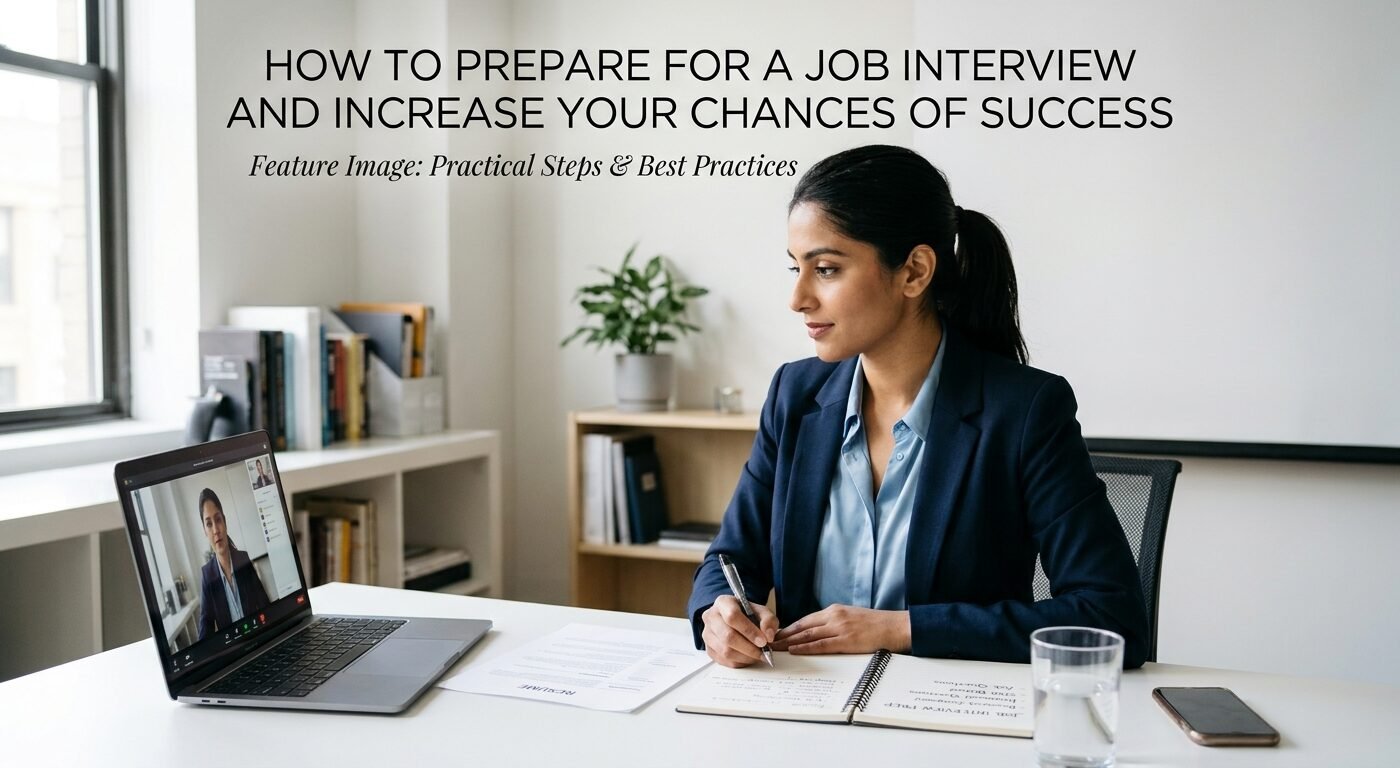
If it is an online interview ensure that you have a stable internet connection, working microphone, camera and link.
Choose somewhere quiet with enough light and a suitable background. Ensure that your phone is out of reach.
Prepare Documents
Depending on the company you may need to have copies of your CV, educational certificates, ID documents, portfolio and professional references.
Carefully read through the interview invite and only bring the documents they have asked for or that are relevant.
If it is an online interview ensure you have digital copies organised into a folder.
Don’t send any sensitive personal documents to anyone who isn’t verified. Ensure the company is legitimate and follow their instructions.
Use Positive Body Language
Your body language can impact how your communication is perceived.
Sit up and pay attention. Speak clearly and use natural eye contact if appropriate for the culture.
Don’t interrupt the interviewer and don’t look at your phone.
If you are feeling nervous take a short pause before answering. This will allow you to organise your thoughts.
Ask Questions
Towards the end of the interview the interviewer may ask if you have any questions.
Have a few relevant questions ready such as what the responsibilities are, training, team and next steps.
This can help you understand if the role is suitable for you.
Avoid asking questions that have already been clearly answered. Avoid asking about salary and benefits unless they come up and you can talk about them professionally.
Common Mistakes to Avoid
Arriving late without a good reason can have a bad impact. Not researching the company can make it difficult to explain why you are interested in the role.
Giving long answers, complaining about previous employers, over exaggerating your skills and complaining about other candidates can all be bad.
Be honest with your experience and skills. If you are misleading you will lose credibility and may cause issues.
Not every interview will be the same. Some employers may have practical tests, written tests, panel interviews or technical questions.
After the Interview
Reflect on the questions asked and see where you can improve.
If appropriate send a short professional message thanking them. Follow the employers instructions for next steps.
Keep applying for suitable roles.
If you are rejected use it as an opportunity to improve your preparation and keep searching.
Conclusion
To prepare for a job interview research the company, understand the role, practice common questions, organise your documents and be professional.
Be honest with your communication, give relevant examples and show that you are eager to learn.
Being consistent with practicing can help you feel more confident and prepared for future opportunities.
For more tips on job interviews, CV’s and careers visit rozgarmila.com regularly.