 by
Creating a successful career is an important goal to achieve. Whether you are looking to begin a career as a student, new graduate, experienced professional or looking to improve your job prospects. Choosing the correct career path will make a big difference to your future. Now with the increase in competitiveness in the job market it is important to ensure you have the right skills, knowledge, confidence and understanding of potential careers.
There are a vast amount of career opportunities available in Pakistan whether you’re looking to work for Government Departments, Private Companies, Banks, Education, Healthcare, Information Technology, Engineering, Business and many more industries. However choosing the right career for you can be difficult at times.
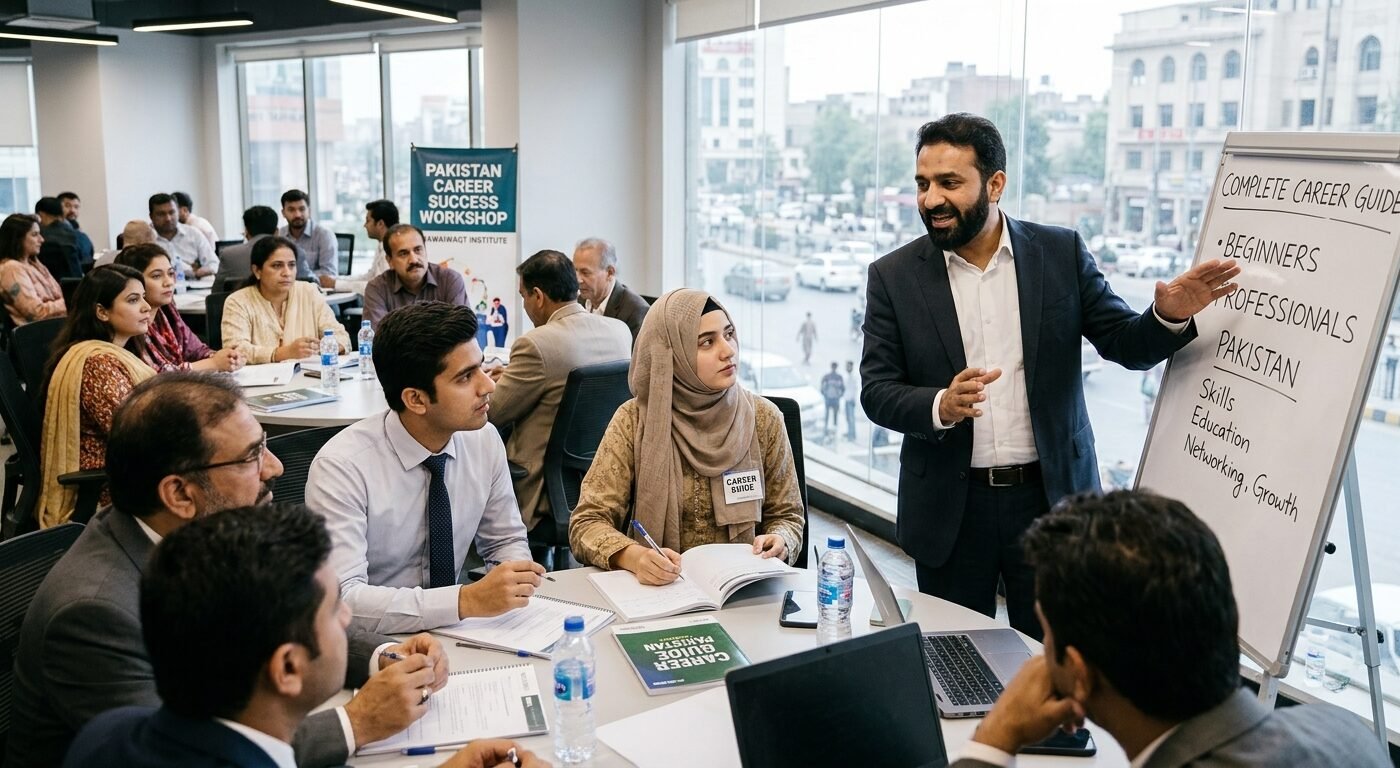
This ultimate career guide will help you understand how to choose the right career for you, gain valuable skills, create an amazing CV, search for jobs and increase your chances of getting hired. By creating a plan and putting in consistent effort you will be able to create a professional future that suits your passions and skills.
Understanding The Importance Of Career Planning
Career planning is a method of identifying what your career goals are and how best to achieve them. It can help you identify your strengths, passions, qualifications and future expectations.
Many people begin searching for jobs without knowing what kind of career they want. This can cause them to apply for a range of roles without a clear strategy. With a clear career plan in place you can save time and focus on the right opportunities.
Firstly think about what subjects you enjoy doing and what you are passionate about. Consider your educational background, what skills you possess, your financial goals, what environment you would like to work in and your long-term career aspirations.
For example if you enjoy working with computers then you could consider a career in software development, Information Technology, Graphic Design or Digital Marketing. If you like helping people then you could consider a career in Teaching, Healthcare, Social Work or Public Administration.
By choosing a career based around your passions and skills you will be more motivated and increase your chances of long-term success.
Best Career Opportunities In Pakistan
There are a variety of different sectors in Pakistan that offer employment opportunities to those with a range of educational backgrounds and professional skills.
Government Jobs
Government jobs are a popular choice for those looking to begin a career in Pakistan. Many roles offer structured salaries, professional development and long-term benefits.
Multiple departments within the government regularly advertise roles for those with the right qualifications. These can include roles in Education, Healthcare, Administration, Police, Armed Forces, Banking, Engineering and more.
Candidates can search for roles within the departments websites and testing bodies such as FPSC, PPSC, SPSC, KPPSC, BPSC, NTS and more.
Before applying to any government role ensure you are aware of the educational requirements, age requirements, experience requirements, application process and closing date.
Private Sector Jobs
There are a wide range of employment opportunities within the private sector. This includes working for Banks, Schools, Hospitals, Factories, Software Houses, Marketing Agencies, Retail and Multinational Organisations.
Private sector jobs can offer you the chance to gain new skills and experience. Many companies also offer promotions based on performance and professional development.
To find the right private jobs ensure your CV is up-to-date and regularly search for roles on their careers pages and trusted job sites.
Information Technology Careers
Information technology has become an important part of businesses. Therefore many companies require staff who can develop software, manage websites, secure their digital information and offer technical support.
Popular careers in IT include Software Development, Web Development, Cyber Security, Database Management, Network Engineering, Artificial Intelligence and Technical Support.
Those who are interested in technology should focus on gaining hands-on skills and creating a portfolio.
Online/Remote Jobs
With online jobs there are many new opportunities available for those who want to work from home or offer their services internationally.
Popular online careers include Freelancing, Content Writing, Graphic Design, Video Editing, Programming, Virtual Assistant and Digital Marketing.
However to be successful in online jobs you must have strong professional communication, time management, technical knowledge and consistently perform well.
Ensure you always do your research on clients/employers and avoid any roles that require you to pay high registration costs or guarantee you an income.
How To Begin Your Career As A New Graduate
Starting a professional career can seem daunting after completing your education. Many new graduates can get anxious as employers often require experience.
The best thing to do is look for roles that will give you hands-on knowledge. This can include Internships, Trainee roles, Apprenticeships and Entry Level roles.
Also take part in educational projects, online courses, workshops and hands-on projects.
For example if you are a business graduate you can gain knowledge of accounting software, communication and business management. If you are an IT graduate you can create small software projects or websites to showcase your technical skills.
Don’t underestimate your first job. It can help you understand what is expected of you in a professional setting, improve your communication and prepare you for better opportunities.
Professional Skills
Having professional skills will help you progress in your career. Most employers will look for candidates who can complete their responsibilities efficiently and work well with others.
Communication is one of the most important skills to have in almost any profession. Ensure you can clearly explain your ideas, listen well and communicate professionally via email and conversation.
Computer skills can also be a valuable skill to have. Knowing how to use word processing, spreadsheets, presentations, email and online communication will improve your chances of getting a job.
Problem solving will help professionals overcome challenges in the workplace and make better decisions.
Time management is also important as employers will expect you to complete tasks within deadlines.
Try to gain skills in teamwork, flexibility, critical thinking and leadership to become a stronger candidate across different sectors.
How To Create A Professional CV
A CV is one of the most important documents to include when searching for a job. It will give employers information about your education, experience, skills and achievements.
A well structured CV should be simple, accurate and relevant.
Begin by including your full name and professional contact details. Add a short career objective to give employers an overview of your professional passions and what you can offer an organisation.
Next add your educational qualifications. If you have previous experience include your job title, organisation name, responsibilities and key achievements.
New graduates can include Internships, Educational Projects, Certifications and relevant skills.
Avoid including irrelevant personal details and ensure there are no spelling errors. Use a professional email address and save your CV in a commonly used format.
Most importantly tailor your CV to the job description.
How To Search For Jobs Effectively
Searching for the right job can take time and patience. Create a daily routine when searching for jobs.
Firstly decide what industries and roles suit your qualifications. Next decide where you can search for roles from reliable employers.
You can search official government websites, company careers pages, recruitment sites and trusted job sites.
Sites such as rozgarmila.com can help you search for employment information.
Carefully read through each job advert. Ensure you know what qualifications are required, experience required, where the role is based, salary information and closing date.
Keep track of the roles you have applied for.
Avoid submitting incomplete applications as this can decrease your chances of being selected.
How To Prepare For An Interview
An interview will give employers the opportunity to learn more about your personality, professional knowledge and suitability for the role.
Preparation is key to feeling confident during your interview.
Research the company to learn more about their services, products and professional environment. Read through the job description and think of examples that show you have the relevant skills.
Practice answering common interview questions such as telling them about yourself, your strengths, previous experience and career goals.
Wear clean and appropriate clothing, arrive on time and be respectful when communicating with the interviewer.
Listen carefully to the questions and if you don’t understand ask politely for clarification.
After your interview remain professional.
Remember that just because you didn’t get the role doesn’t mean you can’t be successful. You can gain valuable experience from every interview to improve your performance in future opportunities.
Continuous Learning
The job market is constantly changing with advances in technology, business needs and expectations.
Those who continue to learn are often more prepared for new responsibilities and challenges.
You can improve your knowledge by taking online courses, professional certifications, reading books, attending workshops and gaining hands-on training.
Gaining digital skills can be very beneficial as many industries now rely on online systems.
For example those working in marketing can learn Search Engine Optimisation and Social Media Management. Those working in finance can improve their knowledge of accounting software and financial analysis.
Ensure what you are learning is relevant to your career goals and focus on gaining hands-on skills rather than gaining certificates without understanding their true value.
Common Career Mistakes To Avoid
Many people make mistakes when searching for jobs.
Applying for every role without considering if you are eligible can waste your time and lower the quality of your applications.
Using an old CV can also be a mistake. Ensure your professional documents are up-to-date with your latest qualifications, experience and skills.
Some candidates fail to prepare for interviews and rely solely on their education. However communication and professionalism are key.
Avoid believing false promises of employment. Real employers will usually be clear with what the role entails, how they will select you and what the employment entails.
Never give out sensitive personal information and avoid paying high fees for guaranteed employment.
Avoid comparing your professional journey to others. Everyone has different skills, responsibilities and opportunities.
How To Be Successful In The Long-Term
A successful career won’t happen overnight. It will take consistent effort, patience, discipline and a desire to improve.
Set realistic short and long-term career goals. Regularly check how you are progressing and identify where you need to gain more knowledge or experience.
Create positive relationships with your colleagues, mentors, teachers and professionals within your industry. Networking can help you learn about new opportunities and gain useful advice.
Take responsibility for your work and have a positive attitude.
If you are given an opportunity to learn something new use it to improve your professional skills. Don’t stop improving your skills once you have your first job.
Occasionally check how you are progressing in your career. If your passions change or the industry requires new skills consider learning new skills or exploring a new profession.
Final Thoughts
Creating a successful professional future will require more than just your educational qualifications. You will need to plan your career, gain hands-on experience, strong communication skills, professional confidence and continuously improve.
Whatever job you are searching for whether it be government jobs, private jobs, online jobs, internships or post-graduation roles using the right strategy can make your journey easier.
Identify what your strengths are, set realistic career goals and gain the skills employers are looking for. Create a professional CV, apply to reliable sources and use every interview as an opportunity to improve.
Continue to search for new employment opportunities.
Visit rozgarmila.com regularly to search for useful job information, career advice and employment opportunities to help you take the next step towards a better professional future.
Your career journey begins with one informed decision. Make that decision today!